



































How Fraudsters Find the Path of Least Resistance
Find out how fraudsters are bypassing network SMS firewalls by utilising other methods of delivery

18th May 2026
How Fraudsters Find the Path of Least Resistance
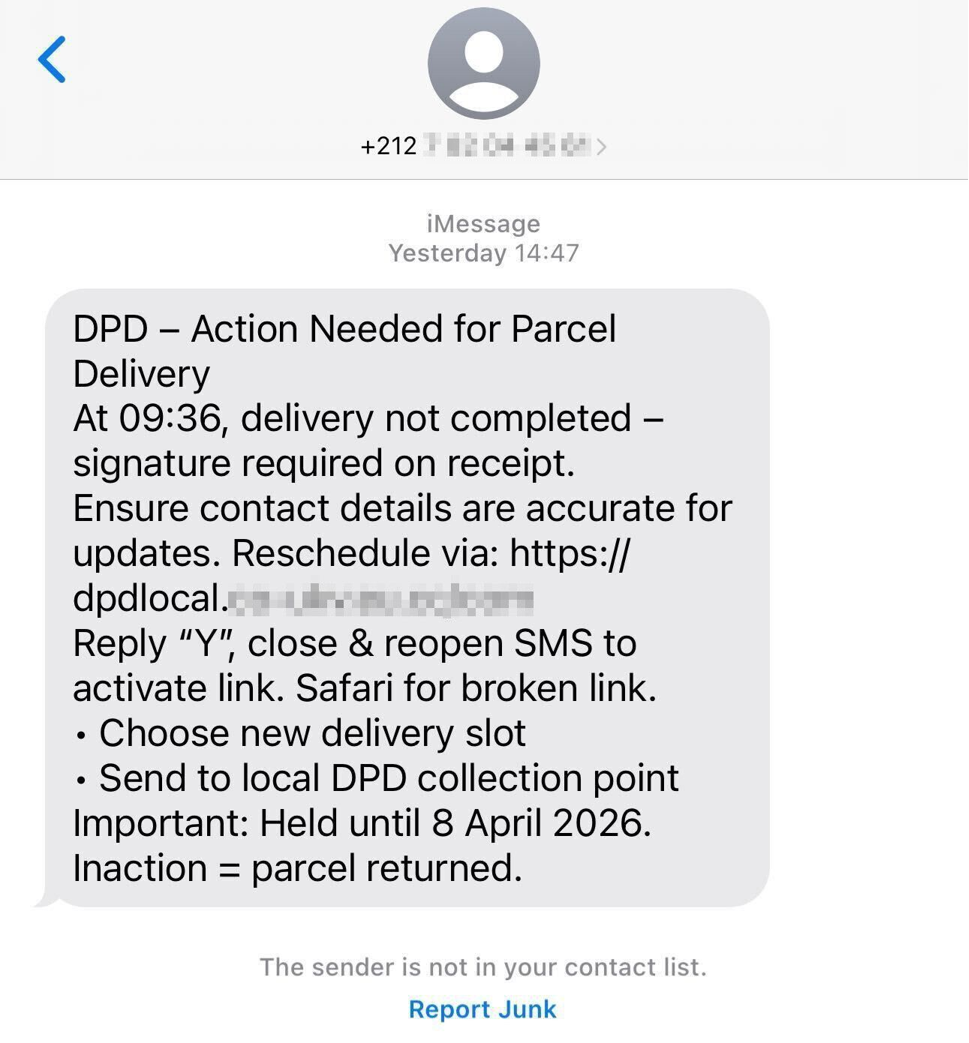
This scam message highlights a simple reality: when one channel becomes harder to exploit, fraudsters move to another.
The message was captured by a UK test device within our global honeypot solution. It impersonates a parcel delivery to a UK address, yet the originating number uses the Moroccan +212 country code.
What’s particularly interesting is the delivery channel. This message was sent via Apple’s iMessage rather than the traditional telco SMS network.
UK mobile operators have invested heavily in filtering technologies to reduce scam SMS traffic. While not perfect, our data shows these controls have significantly reduced high volume, repeat scam campaigns, especially well-known trends such as delivery phishing links.
However, this example shows the challenge clearly; filtering one channel alone is not enough.
If fraudsters can replicate the same attack across alternative messaging platforms, the overall threat remains.
This raises an important question for the industry:
Should consistent consumer protection expectations apply across all messaging channels - not just traditional SMS?
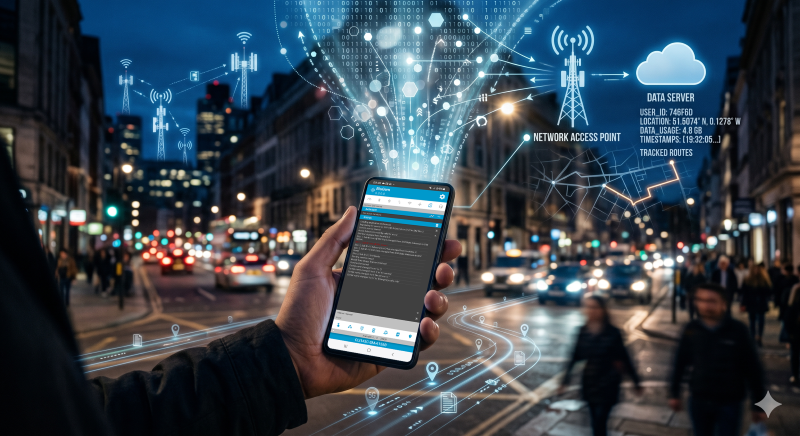
At BluGem, our global honeypot platform provides objective, real-world measurement of scam message delivery across networks and channels. We help regulators, operators and law enforcement understand:
- How many scam messages are still reaching users
- Which types of scams are evolving or bypassing controls
- How effective current filtering measures really are
If you work in a regulator, government or law enforcement organisation and want independent visibility of scam messaging trends, we’d be happy to share more.